History
"I see one-third of a nation ill-housed, ill-clad, ill-nourished... The test of our progress is not whether we add more to the abundance of those who have much; it is whether we provide enough for those who have too little."
Franklin D. Roosevelt
The Denver Housing Authority is a quasi-municipal corporation with a portfolio of over 13,000 units and housing choice vouchers, providing affordable housing to more than 26,000 very low, low, and middle-income individuals representing over 12,000 families. DHA has transformed public housing in Denver creating a vibrant, revitalized, sustainable, transit-oriented, and mixed-income community of choice.
Today, DHA’s vision has been honed to reflect the goal that every individual or family shall have quality and affordable housing, in communities offering empowerment, economic opportunity, and a vibrant living environment. DHA’s mission is to develop and provide high-quality, affordable housing with responsive services, enabling people and communities to thrive.
DHA is governed by a nine-member Board of Commissioners appointed by the Mayor of Denver and approved by the City Council.
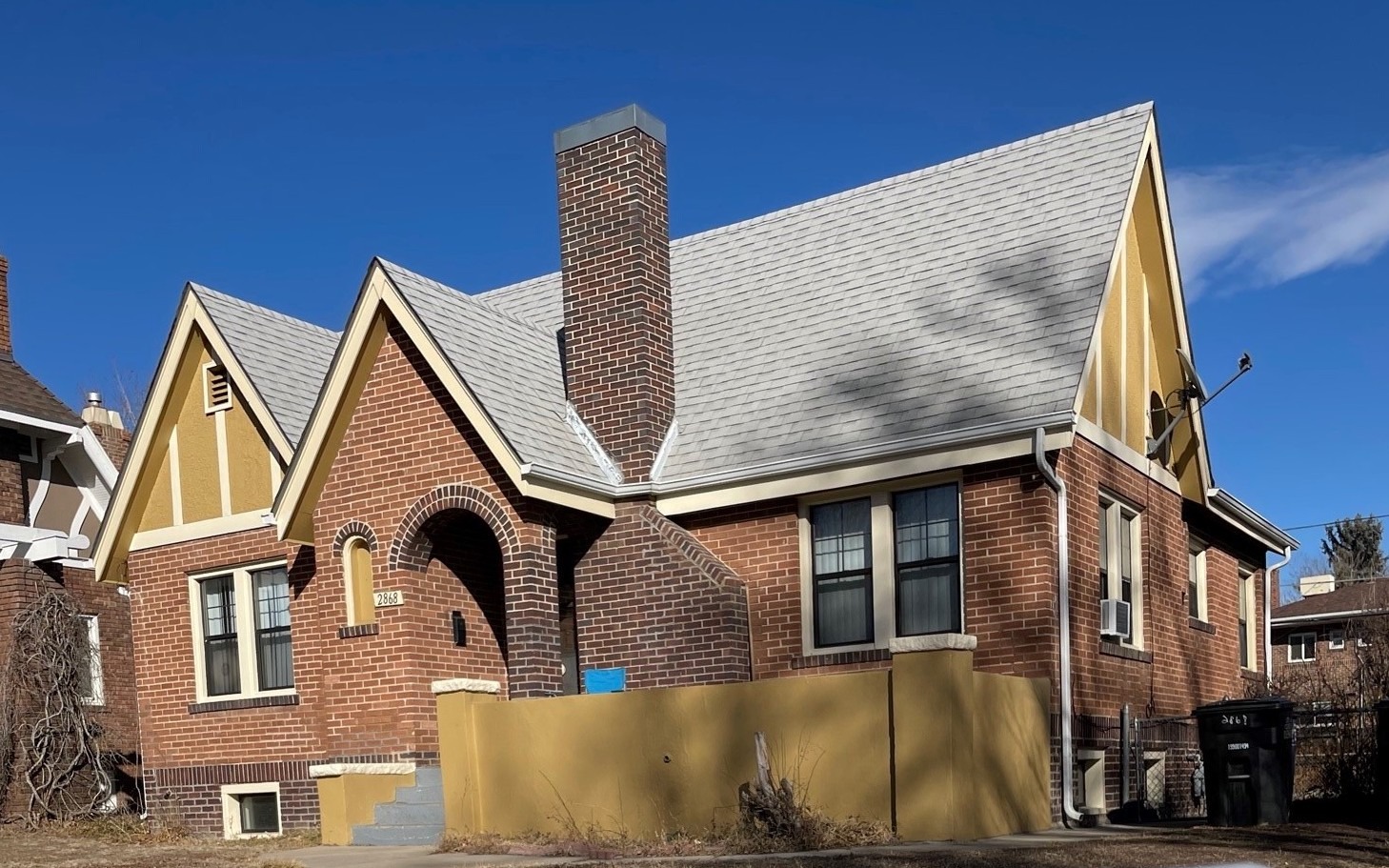
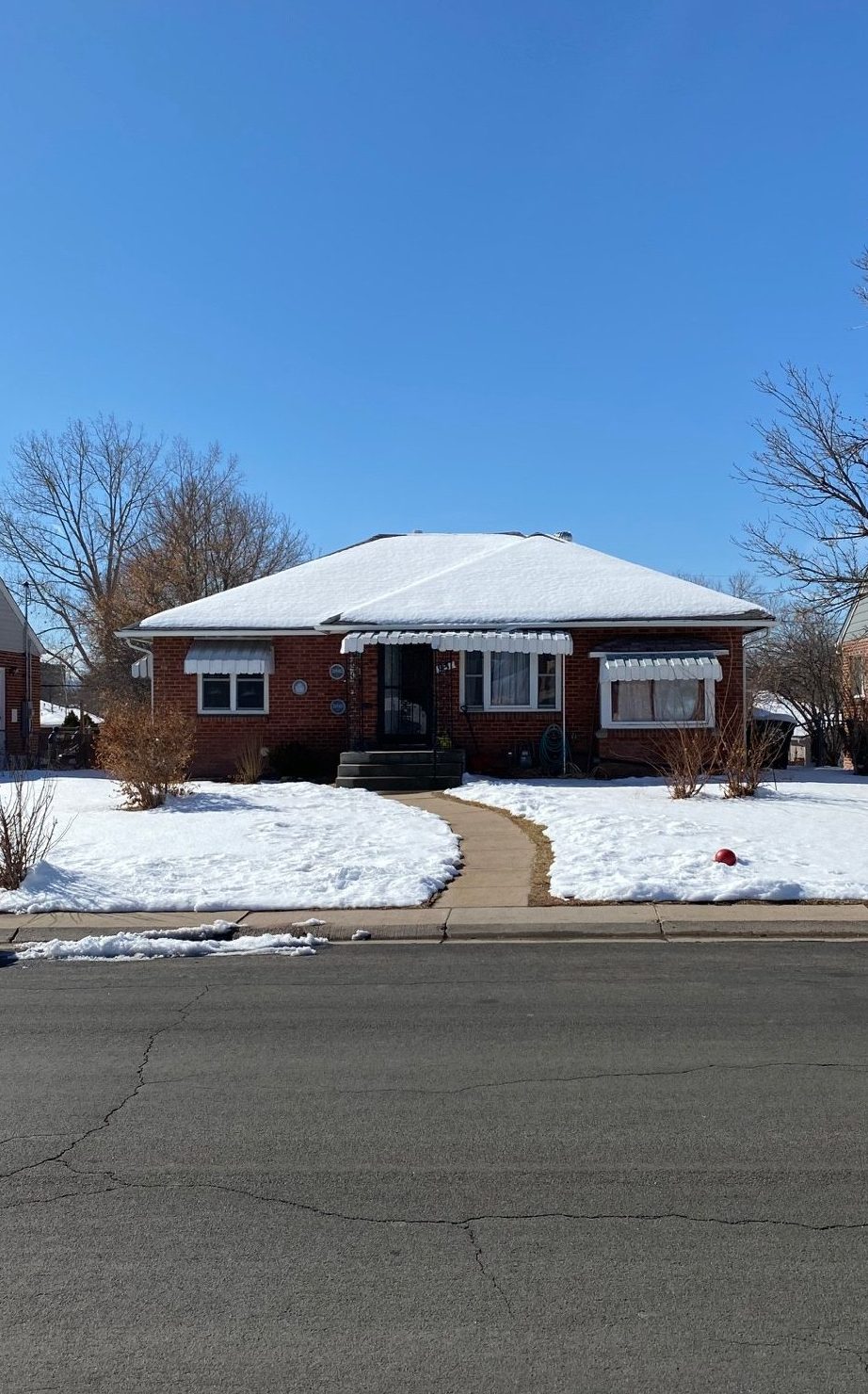
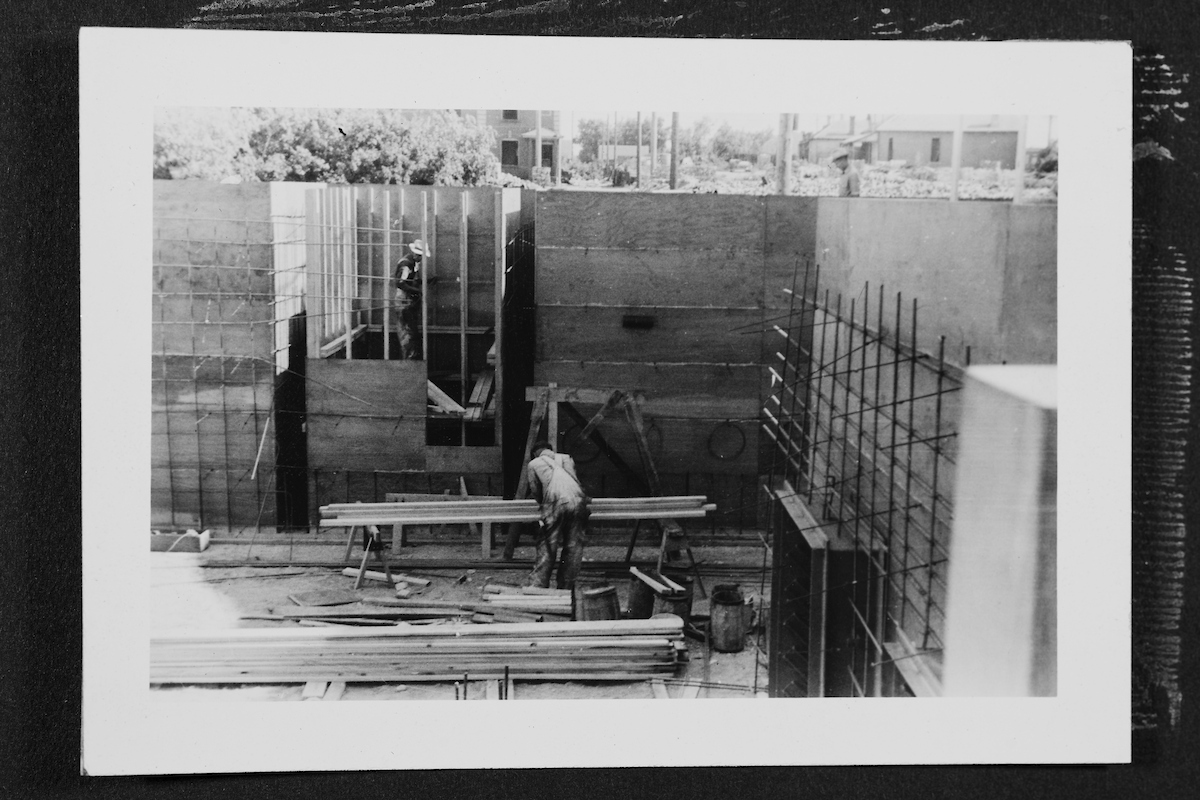
DHA has put together this webpage to document the organization’s history within the context of local, state, and national affordable housing trends. In the following pages, you’ll find information about DHA as well as the impact that affordable housing has had on local neighborhoods and underserved communities. The story of Denver’s affordable housing will be told through historic photos as well as snapshots of today’s neighborhoods. You’ll find a further reading list, too, if you want to keep learning about these issues in a historical context.
This project has many partners, including DHA, the City and County of Denver through the Department of Housing Stability (or HOST), and the Colorado State Historic Preservation Office (SHPO).
These partners hope that this historical information will be useful to architectural historians and cultural resource specialists in addition to teachers, community leaders, and anyone who has a desire to better understand the impact of affordable housing.